
Let's Invade Iran Part 9 (Final)
Conclusions about a War with Iran Specifically and American Military Power in General

This series started in March 2025 with the promise of explaining how a potential US invasion of Iran would play out with a focus on geo-political, terrain and logistics considerations. That is, a view of this potential war from the operational art of war.
The series became less hypothetical in June 2025 when the US conducted air-strikes on Iran’s nuclear facilities, effectively jointing in on a week old Israeli air campaign. However, the air campaign did not escalate.
I believe this series explained well why a US ground campaign against Iran would involve a level of risk and commitment closer to the Korean War than the Invasion of Iraq. While I am certain America would win this war, the cost in blood an treasure would exceed the scale of the Gulf War and Global War on Terror by an order of magnitude, unless the regime politically collapsed under the pressure of an invasion. An Iranian political collapse under the weight of US firepower probably has better than 50/50 odds, assuming this outcome is not wise policy making.
Along the way the series also put US power projection capabilities in global and historical context:
American control of the high seas is historically unprecedented; well exceeding the dominance of the Royal Navy during the Pax Britannica.
But: the USN is poorly equipped for littoral operations in a tight passage like the Straits of Hormuz.
The American’s ability to force project land combat power anywhere in the world on short notice is also historically unprecedented.
But: this rapid global power projection comes at the cost of mass. Therefore according to staff estimate rules1 it has just barely enough land combat power to defeat a middling power like Iran if a total war is fought on it’s home turf.
Summary of the Preceding 8 Parts
As a note, each heading is also a hyperlink.
Part 1: Understanding Iran’s Geography
This post showed how Iran essentially has Afghanistan’s excellent defensive terrain and lack of transportation infrastructure. However, Iran has 3-4x the population and geographic size of Iraq, Afghanistan or Ukraine.

The lack of transportation infrastructure was particularly surprising, as Iran has had oil money for quite some time. However, sanctions do stifle economic growth and it is very expensive to build roads or railways through mountains.

This meant Iran is better suited to a defensive battle against a technologically superior nation like America.
Part 2: Iran’s Military
This post showed how Iran’s military was designed to fight what I called the National Redoubt strategy. Withdrawal into a mountain heartland while insurgents and long range precision strikes attritted American forces occupying the limited flat and open terrain near the Iraqi border.
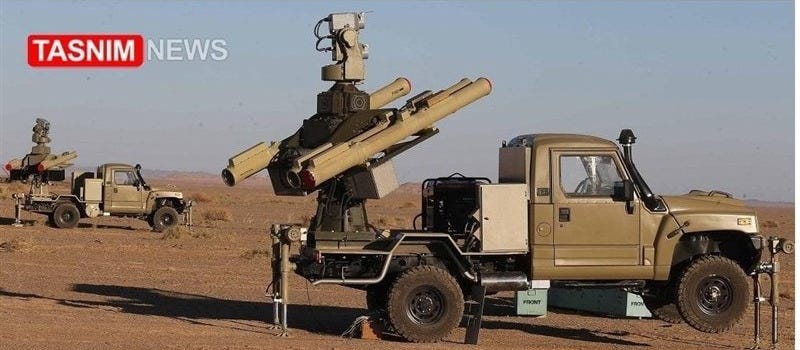
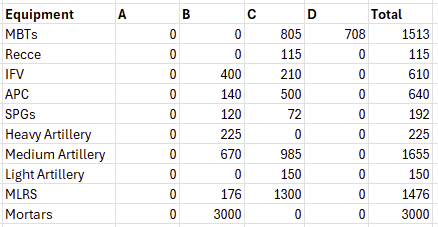
Iran has a large military, with about 982,000 uniformed personnel. They have invested a in light infantry, artillery, kamikaze drones, air defence, precision strike missiles, cyber warfare and stay behind insurgent forces. On the other hand, Iran has very limited mechanised forces and a toothless air-force.
This force structure is built around the aforementioned National Redoubt strategy, where Iran would turtle into the purple area below. This would severely cripple Iran’s economy, but seizing the National Redoubt area would be slow and costly. Strikes into American rear areas via cyberwarfare, kamikaze drones, missiles and insurgents would hopefully erode America’s will to fight before the Iranian economy collapsed.

Part 3: US Strategy and Force Ratios
This post tried to estimate the size of force the US would deploy for an invasion of Iran. This began by explaining that the famous 3:1 ratio (the attacker needs 3x the forces of the defender) only applied at the local tactical level and was a ratio of combat power, not raw number of soldiers. At the operational level the invading army having a ratio of 1.3:1 was usually sufficient.

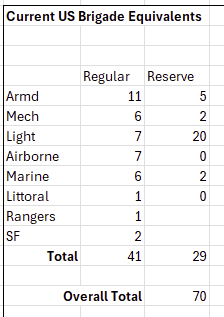
I introduced the structure of the US military, as a surprisingly small military given its budget, because it is built around projecting force globally. South Korea and America both field about the same number of combat brigades (67 versus 70) but South Korea does it on a budget of $47.6 billion, which is less than France’s military budget. However, the South Korean military only needs to deploy within the borders of its own (quite small) country.
The US invasions of Iraq in 1991 and 2003 were then used to estimate the relative combat power of Iran’s military compared to America’s. In 1991 the Coalition had a ratio of 0.4:1 in combat brigades and 0.95:1 in personnel. In 2003 the Coalition had a ratio of 0.31: in combat brigades and 0.45:1 in personnel.
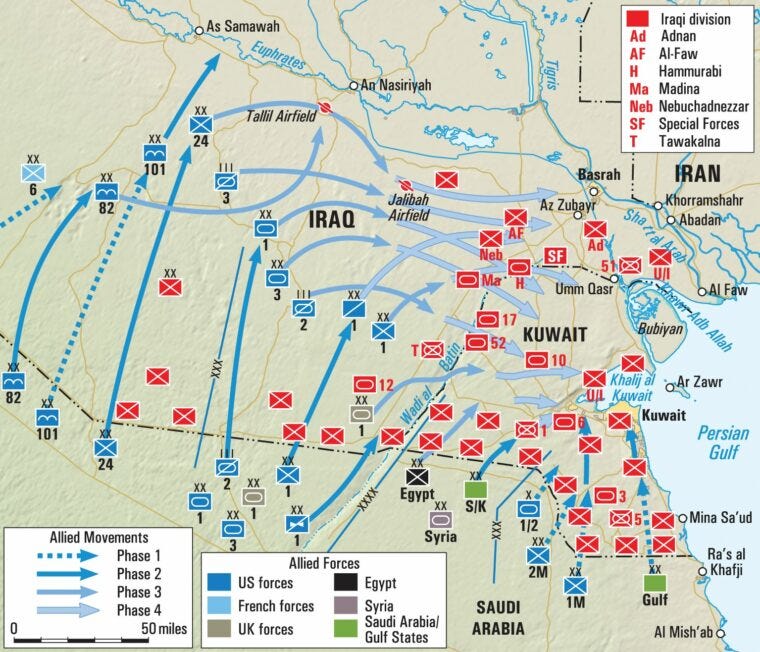
Using these ratios I concluded a US invasion of Iran would require 35-27 combat brigades, maybe 5 of which could come from allies. This meant the US needs to contribute 22-30 combat brigades, which after accounting for other commitments would require the mobilization of National Guard units on a scale not seen since the Second World War. This is within America’s capability, but not comfortably so.
Part 4: Invasion for Turkey and Armenia
Looking at Iran’s borders and international relations, I concluded there were four possible starting points for an American invasion of Iran: Turkey, Armenia, Iraq and the Persian Gulf.

An invasion from Turkey would be surprisingly difficult to support, as the easter half of that country was mostly empty desert with minimal transportation infrastructure. There was a single railway line, with an interruption to cross a large lake via ferry, connecting Turkey’s Mediterranean ports to the Iranian border.
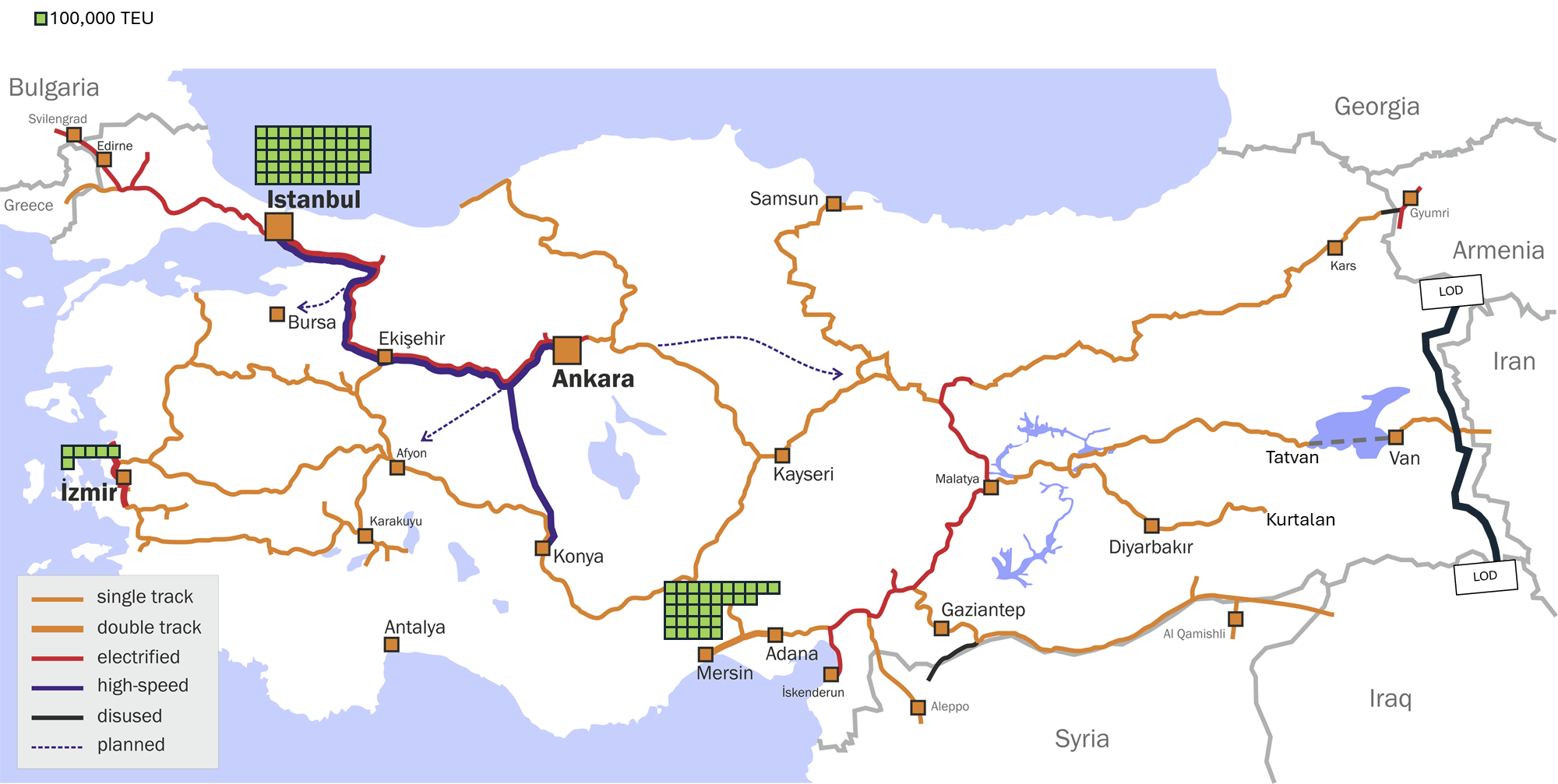
After the border things, if anything, get worse. In the north there is only 1 location with cross border roads. After the choke point of that one town an area where a corps of 9-15 brigades would normally fight can only support the advance of 1 brigade at a time due to limited roads through mountain passes. The northern route could at best support an advance of 2-3 brigades.

The center also has a choke point of 1 location for border crossing roads, and narrow mountain passes with limited roads for the first 50km. After that things open up a bit, so it could support an advance of 3-4 brigades.

The southern route was the worst, with 1 road corridor that’s typically a company to a battalion wide, ending in a large city (Umia) and a lake.
Armenia’s transpiration infrastructure would make it difficult to sustain more than -2 brigades. In any case, there is only 1 road crossing the Armenian-Iranian border, leading to some of the densest and least developed mountain terrain in the world.

I concluded an invasion via the Turkish or Armenian border was likely not worth pursuing. It would require 12-15 brigades operating at the limits of logistical viability and in terrain very well suited to the defence. If that operation was successful it would result in capturing the blue area, which amounts to about 5% of Iran, contains nothing of strategic value and is only 1/4 of the way to Tehran.

Part 5: Invasion via Iraq
In this part I looked at American options for staging an invasion out of Iraq. To begin with, sustaining the invasion would not be possible without a functioning supply line through the Straits of Hormuz. The distances by road from other waterways are too vast, and there are no railway lines connecting Iraq to any port outside the Persian Gulf.
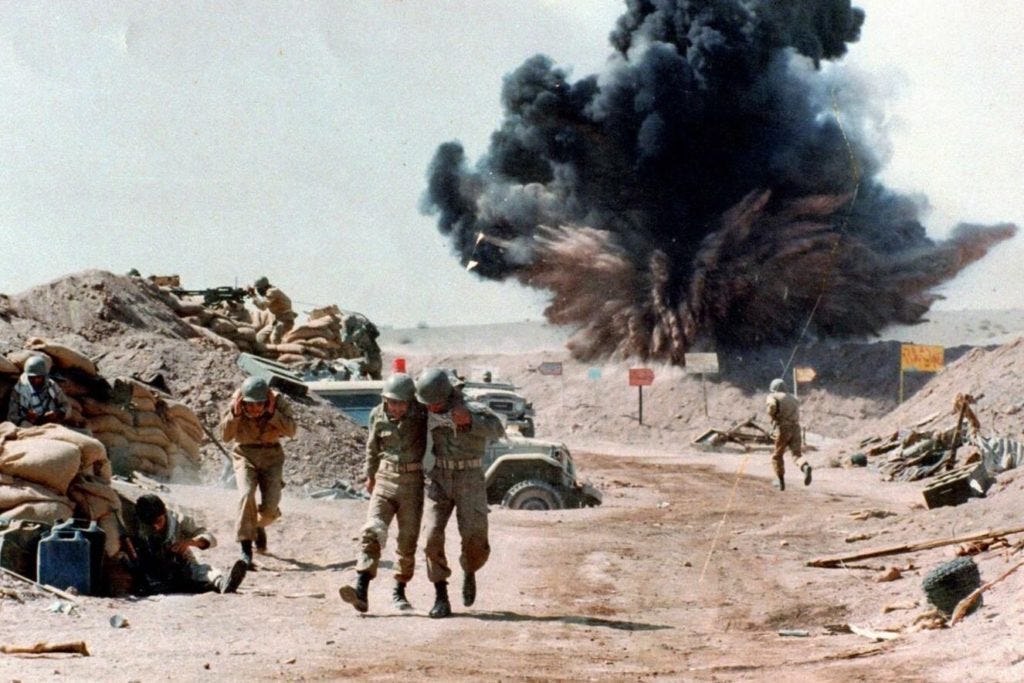
Leaving this undertaking for future posts I looked at the 1980-88 Iran-Iraq war to understand the terrain in this region. Th invasion was able to seize some of the flat and open terrain near the border, but in 8 years of fighting the Iraqis never got into the mountains.
This is because the terrain in that area is well suited to the offensive, and American would be able to launch a Corps (+) sized invasion that could capture most of Iran’s important oil infrastructure.
Options in the north were limited, due to mountains and poor roads. However, a force of two divisions could put pressure on Tehran, diverting resources that otherwise would be sent to the valuable open terrain in the south.

Part 6: Naval Operations in the Persian Gulf
This part involved a look at history and comparison of the US Navy versus Iran’s costal defence strategy.
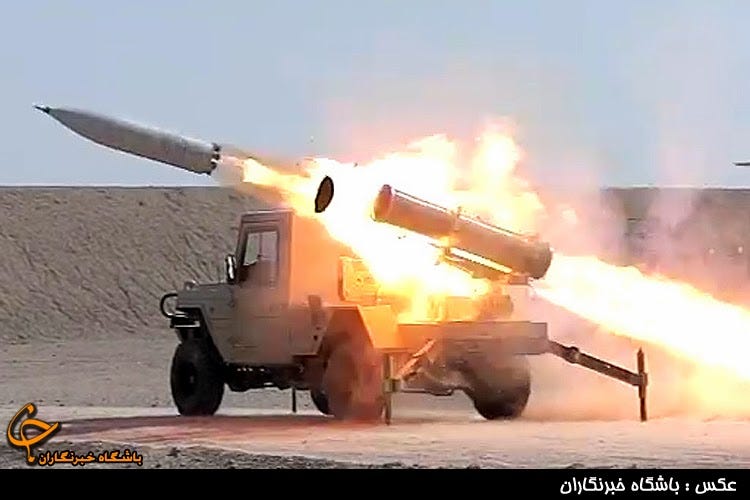
Iran’s coastal defence strategy revolves around mines, anti-ship missiles, kamikaze drones, kamikaze speedboats and midget submarines. In comparison to America’s funding and capabilities this is an almost pathetic military capability. However, it is 100% optimized to do 1 thing well: defend the confined waters of the Straits of Hormuz.
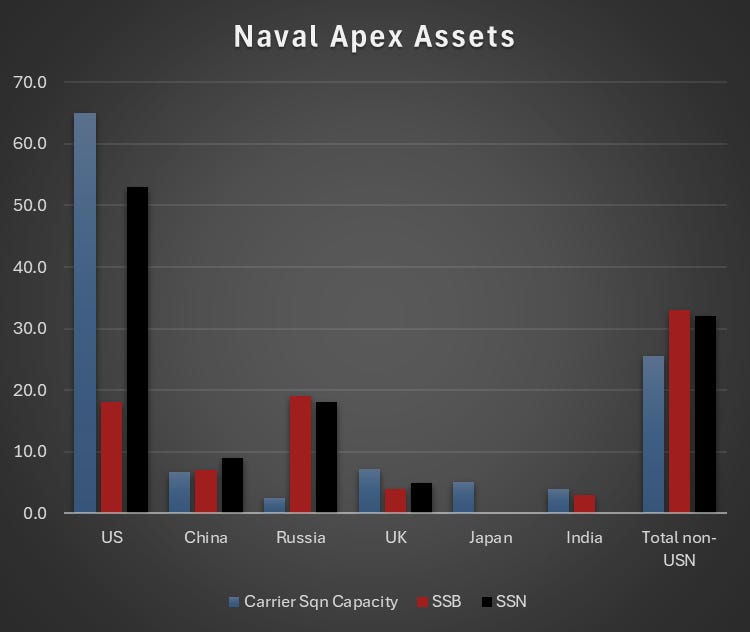
On the other side, the United States Navy is the most dominant maritime force in the history of humanity, dwarfing the dominance of the Royal Navy during the Pax Britannica.
However, the one conflict the USN is worst equipped to handle is a forcing of the Straits of Hormuz. Its wide array of expensive vessels are all optimized for deep water operations on the open sea. The USN identified this capability gap for what’s called littoral operations and implemented the Littoral Combat Ship program in response. However, that program was a failure. It led to a limited number of ships with a fraction of the promised capabilities. The program was cancelled with 26 of a planned 55 ships delivered. Most of those 26 ships will probably now be scrapped.
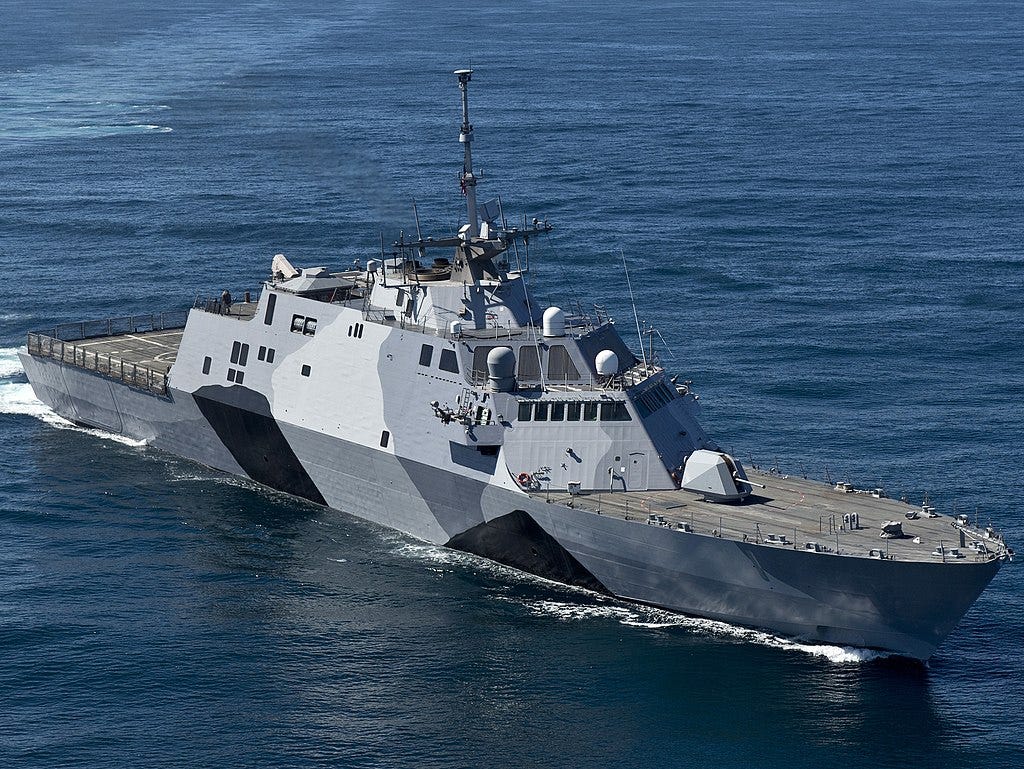
The planned minesweeping package was planned to come online in 2017-19, but it never reached full capability before the program was cancelled. The USN therefore is relying on 4 minesweepers from the early 1990s that were supposed to be scrapped in 2015. This is very bad news, as the Straits of Hormuz are one of the best locations in the world for mine warfare operations, and the Iranians have invested heavily in this capability.
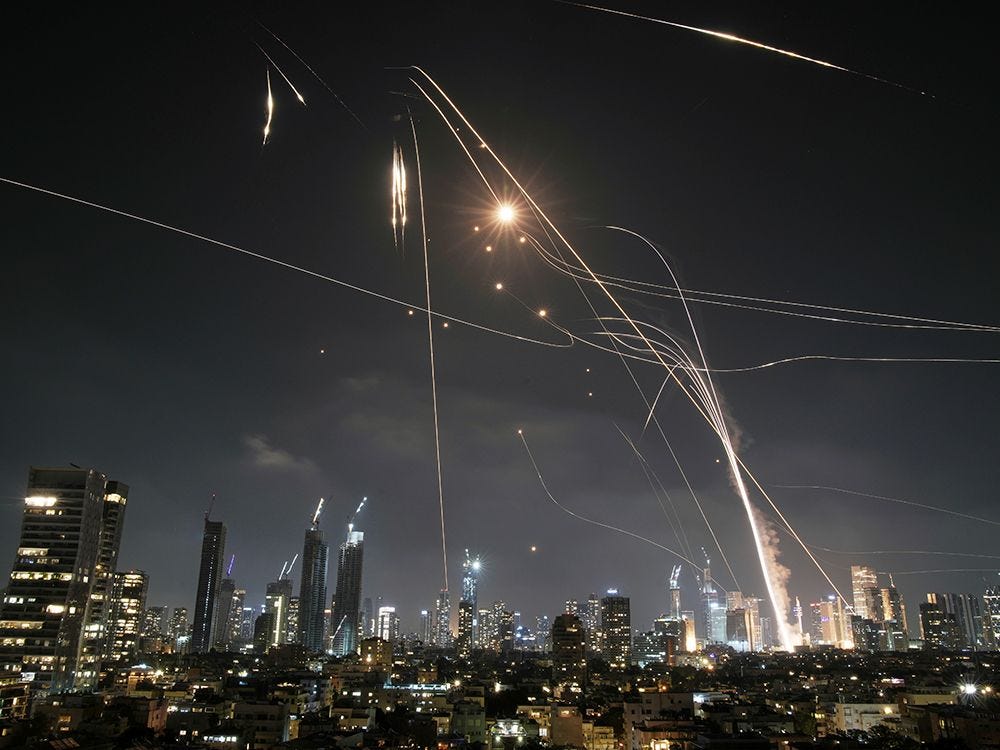
However, the outcome of this matchup is very hard to predict due to a lack of historical data. Iran plans to send a swarm of ASMs and kamikaze drones against a USN task force with an anti-ASM defence system. Since the ASM was invented there have only been 12 ASM attacks on warships. Only 2 of them involve warships with an anti-ASM system. For one of those attacks the anti-ASM system was down for maintenance. The anti-ASM systems (CIWS, air defence missiles, lasers etc) on paper can handle whatever drone and ASM swarm Iran launches. However, these systems have always performed worse in practice than their on paper capabilities.
Part 7: Wargaming the Naval Battle
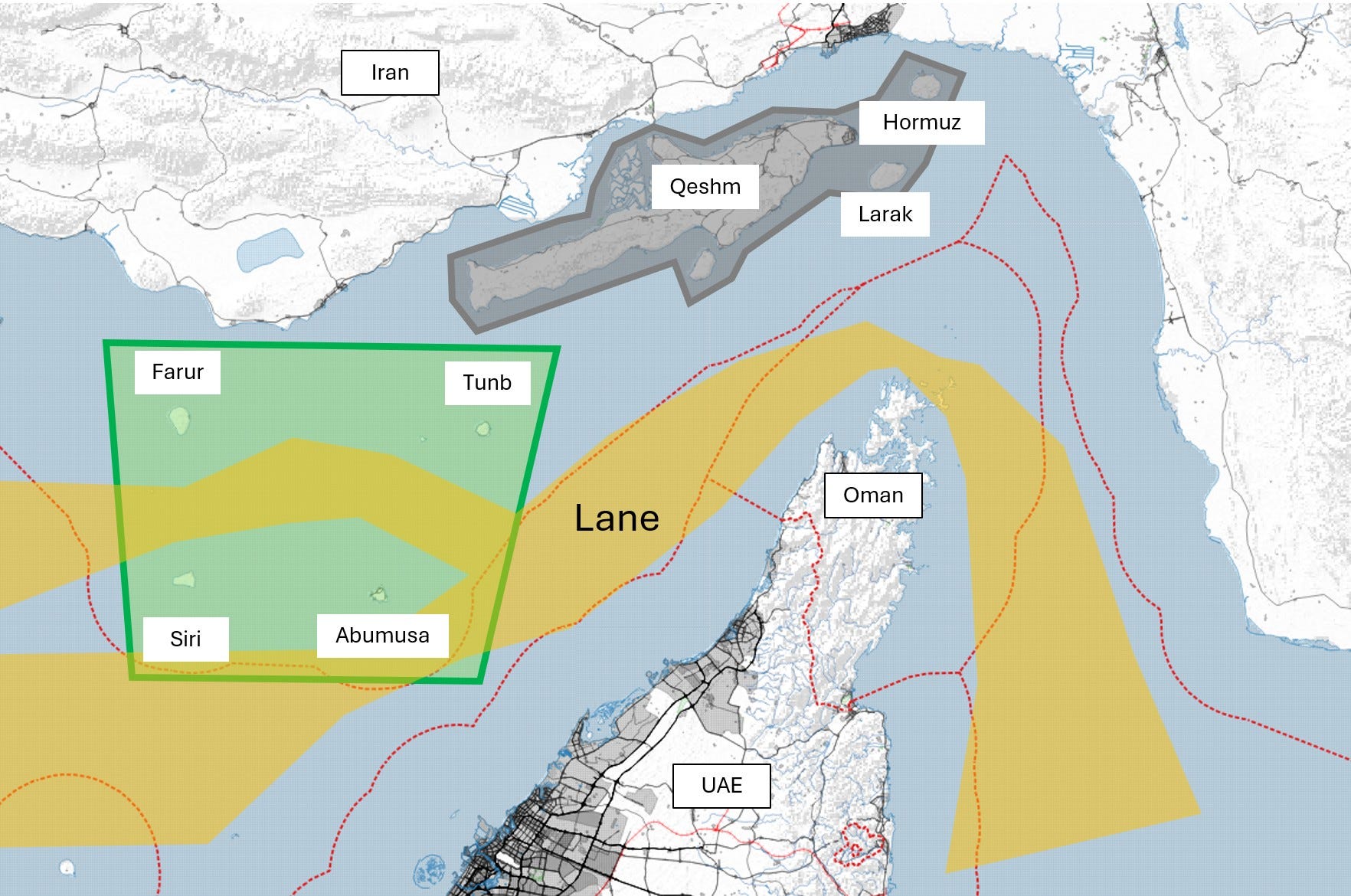
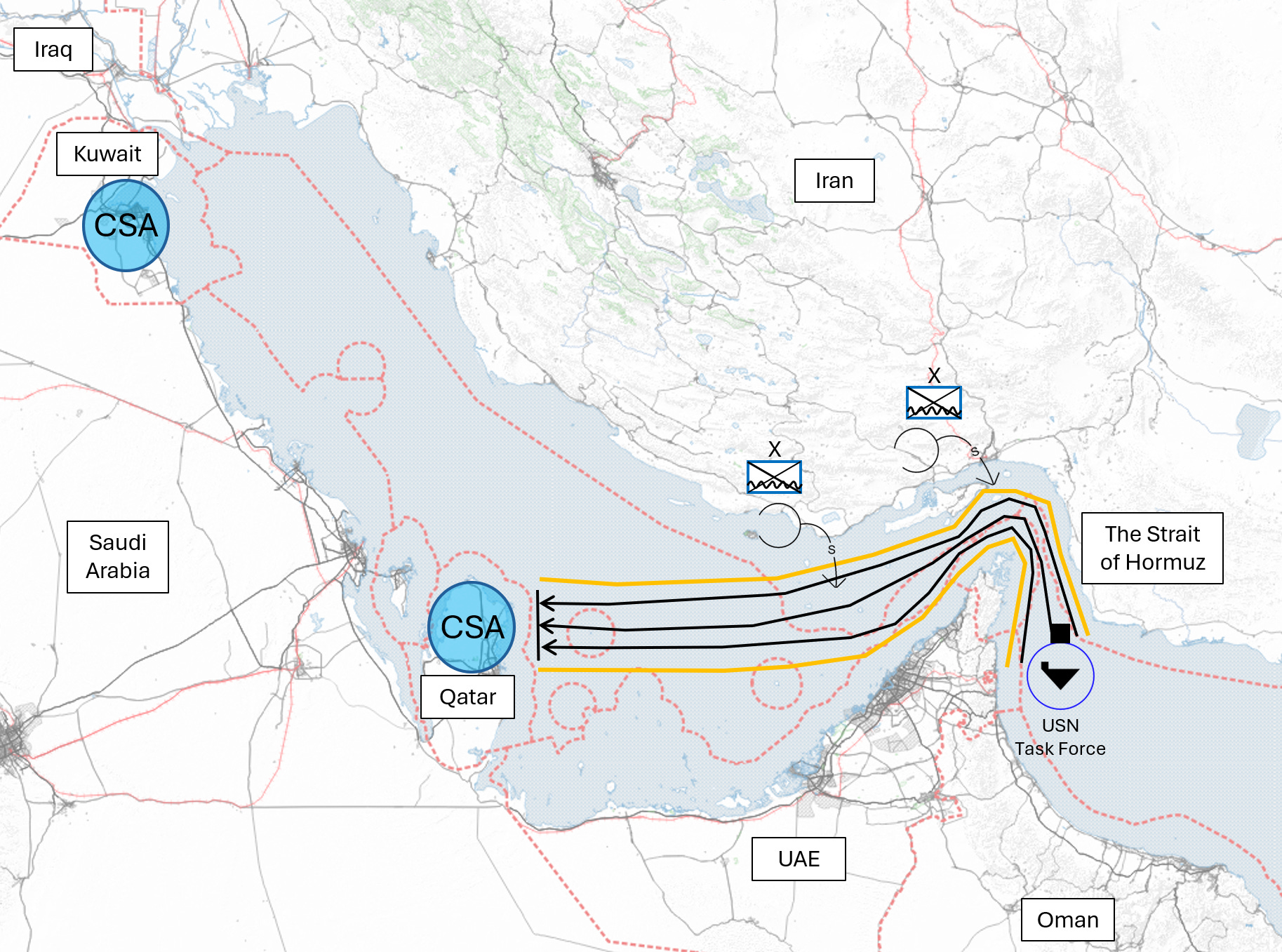
This post looked at how a US forcing of the Straits of Hormuz might play out. Given the marine topography the US task force would need to pass through a very narrow lane (below in yellow) and then weave through four Iranian held islands.
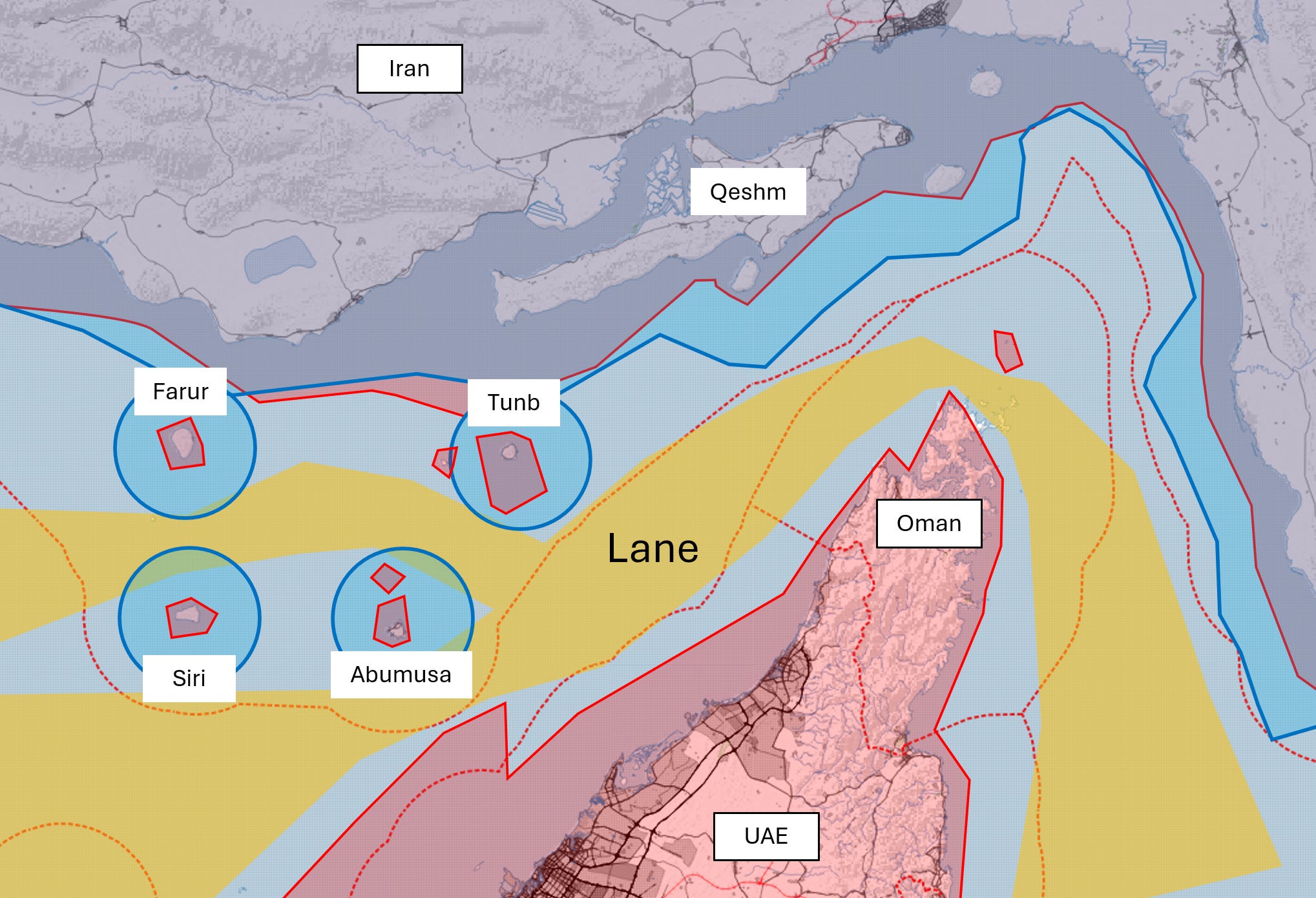
I estimated the Task Force would consist of:
An escort group with 3x minesweepers, 12-16x destroyers and 2-5x LCS;
A support group with 2x Nimitz super carriers, 2x light carriers, 8x amphibious support ships; and
Various logistics vessels.
This would lead to a bubble of anti-ASM defences 20km wide.
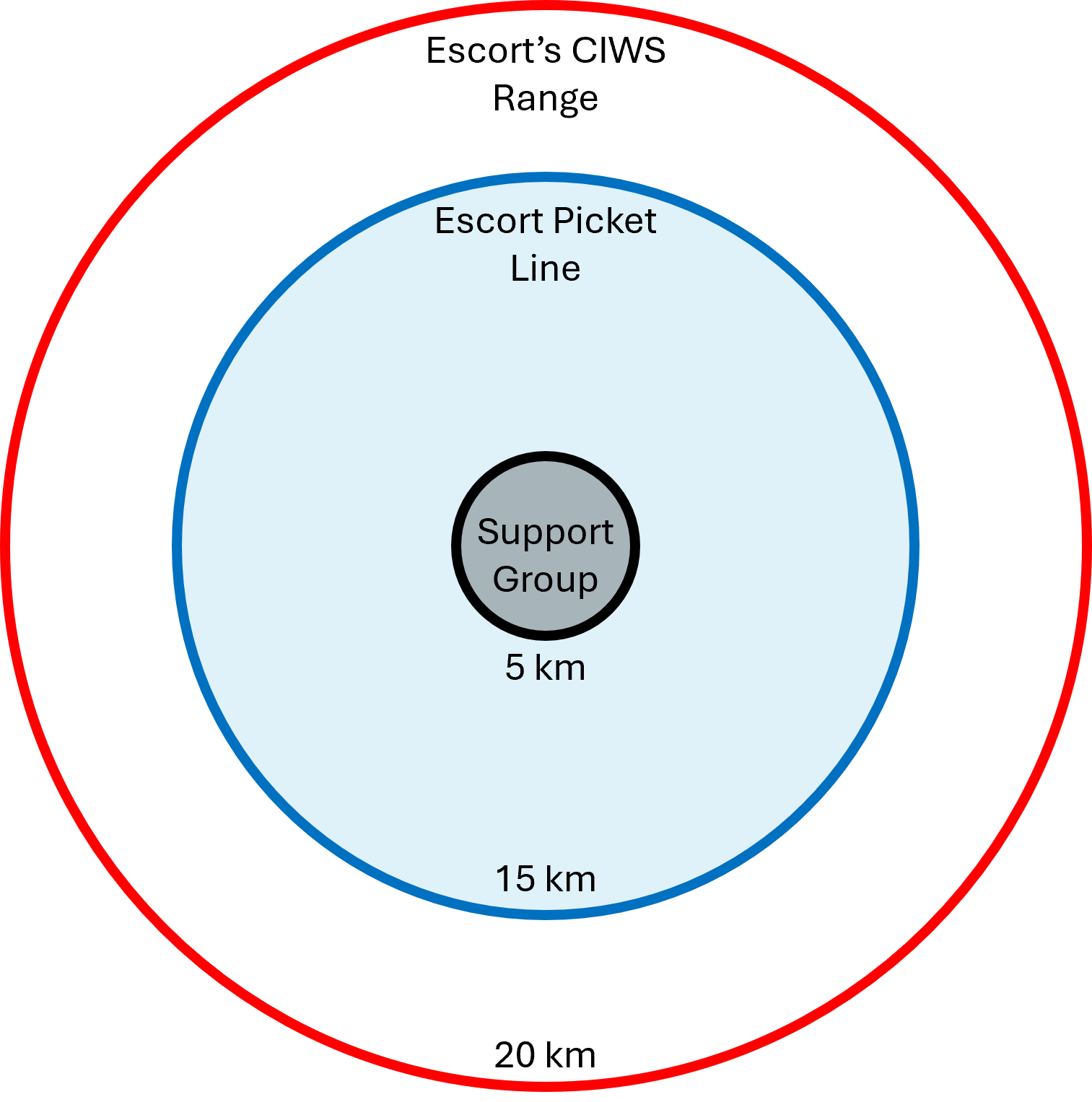
What would follow is a swarm of ASMs, drones, small attack craft that would try to overwhelm the taskforce’s defence systems. The outcome would depend on how well these systems worked (the technical capabilities are impressive but they are not battle tested) and how well preparatory strikes disrupted Iran’s command and control.
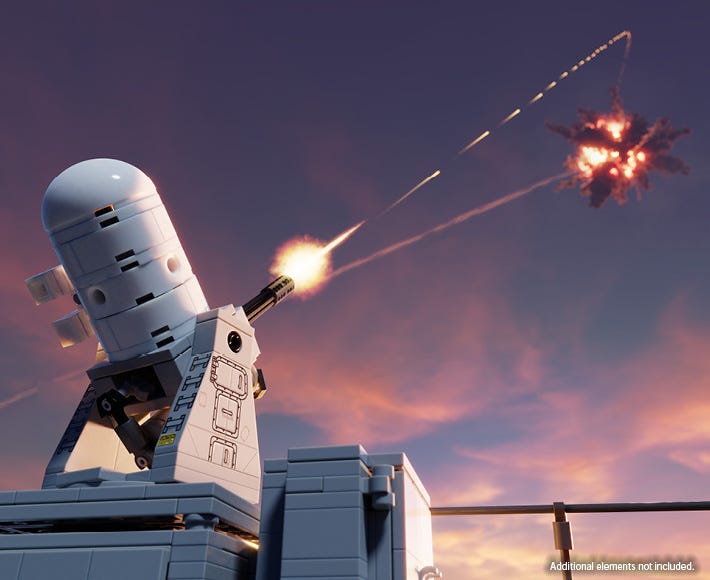
This resulted in:
A best case scenario where only a few ships were damaged and none were sunk
A most likely scenario where 2-3 escort ships were sunk
A worse case scenario where 3-5 escorts and 1-2 of the larger ships (most likely one of the amphibious support ships) were sunk
In the best case scenario there would be under a dozen KIA. Under the worst case scenario there would be several hundred KIA. I would like to say something more certain about the outcome, but there is so little historical data that anyone who claims to have a significantly narrower prediction is lying.
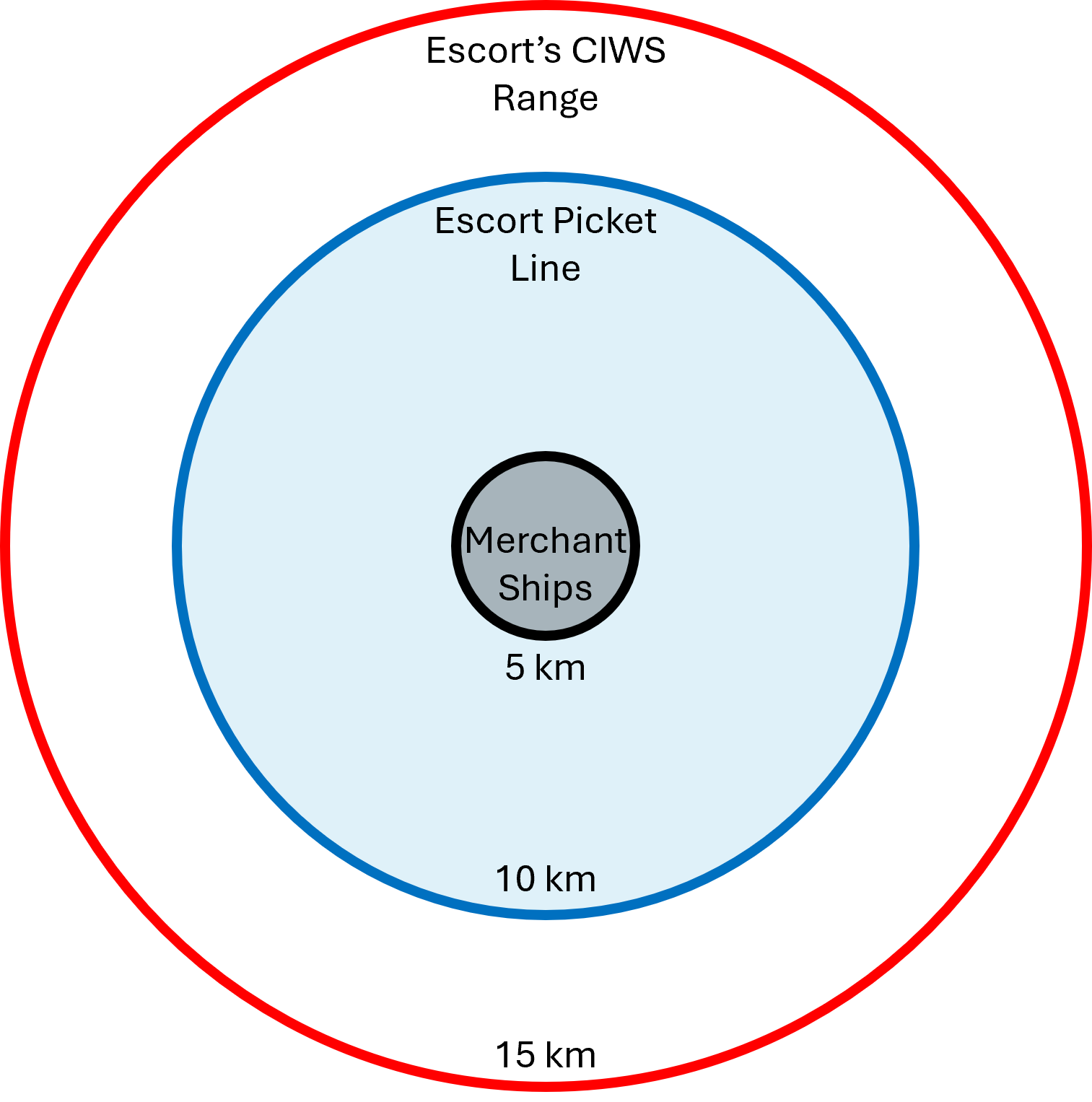
According to USN veteran Raging Mandril, who you should follow, the Iranians would focus most of their resources on the later supply convoys that would need to transit the straits periodically throughout the remainder of the war. They would have a much smaller bubble of defences, and the escorted merchant ships do not have ant anti-ASM defence systems. However, Houthi operations in the Red Sea have shown Iranian ASMs aren’t very good at sinking merchant ships, due to their sheer size versus the missile’s warhead.
The final naval challenge would be amphibious groups coming within the Noor ASM range of Iran’s coastline. These are Iran’s most mobile and plentiful missiles, but they can only strike the northern half of the Persian Gulf.
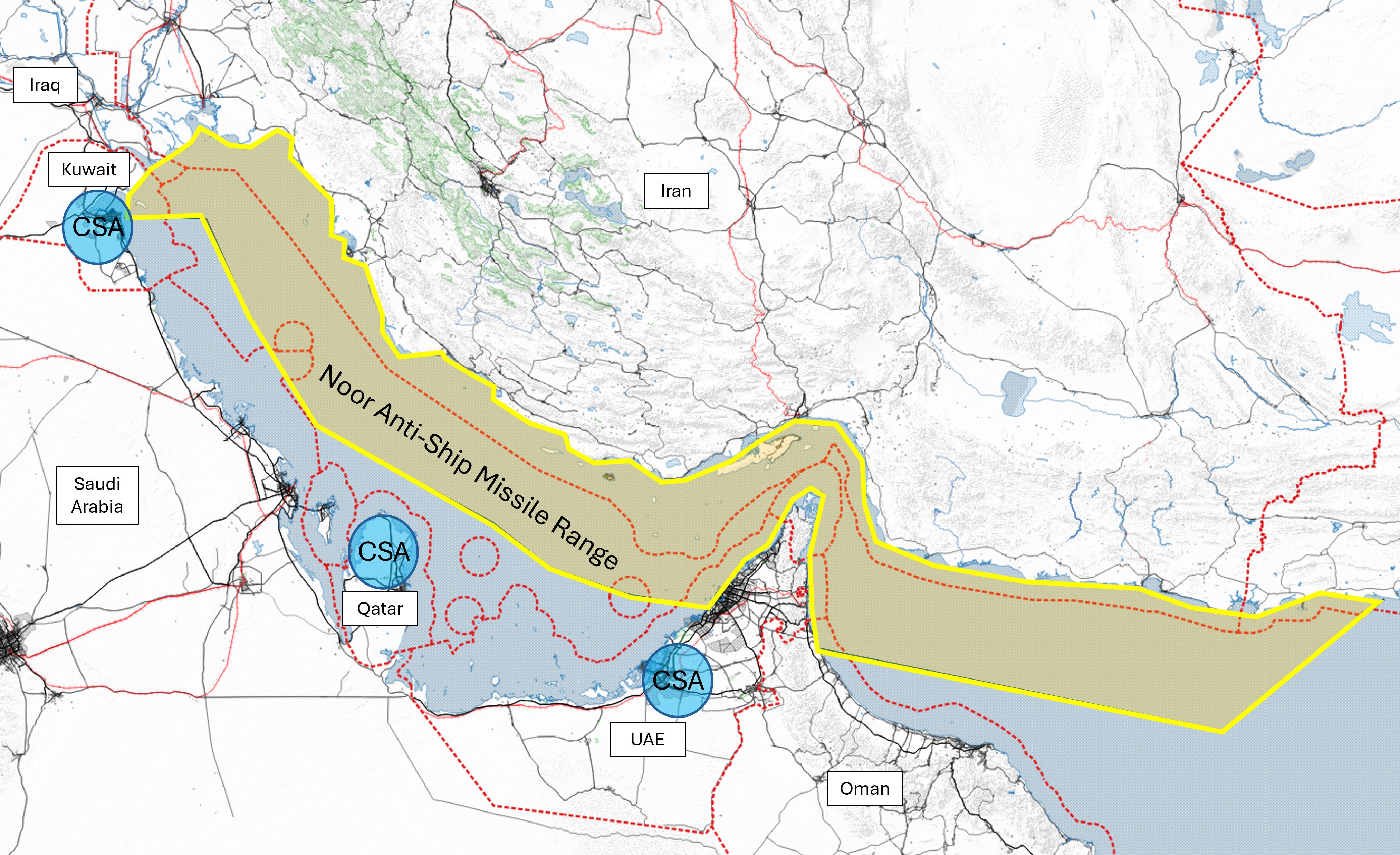
This would mean any amphibious operations would be under sustained ASM swarm attack, though by that point Iran’s anti-ship capabilities would probably be too degraded to be a serious threat.
Part 8: Amphibious Invasion Operations
Finally I examined what the USMC could accomplish with amphibious landings in the Persian Gulf. With the vessels in the task force the USN would be able to land a Regimental Combat Team (equivalent to a brigade) at a time, with further Regimental Combat Teams every few days later.
I ruled out amphibious operations in the east and center due to lack of suitable terrain and important enough objectives. In the Straits of Hormuz there are two sets of landings that need to be conducted to make follow on passage through the straits less risky.
The lane islands (the green polygon below) would be the first objective, as the Iranians uses them for surveillance and ASM strikes on the lane. The second objective would be the islands of Larak and Hormuz, as they also house ASM launchers and sensors which cover the narrowest portion of the Straits of Hormuz.
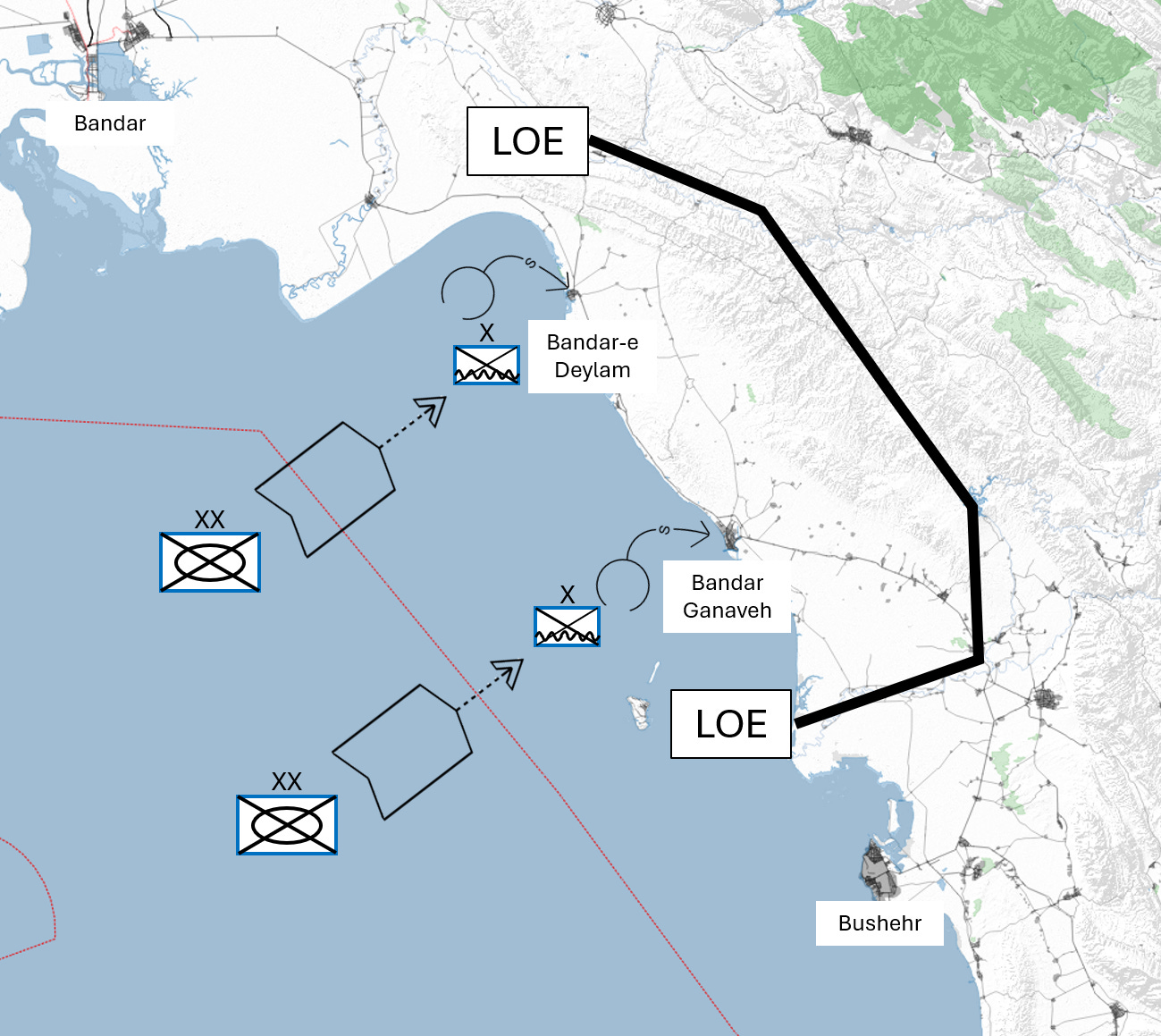
After the lane islands, Larak and Hormuz the USMC would likely secure the ports of Bandar-e Deylam and Bandar Ganaveh, in order to seize oil infrastructure and provide flank security for the American advance from the Iraqi border. With reinforcement (likely from the US Army) a defensive perimeter would be established anchored on the mountains (the LOE). A further advance past the LOE would not be worthwhile due to the terrain and lack of worthwhile objectives.
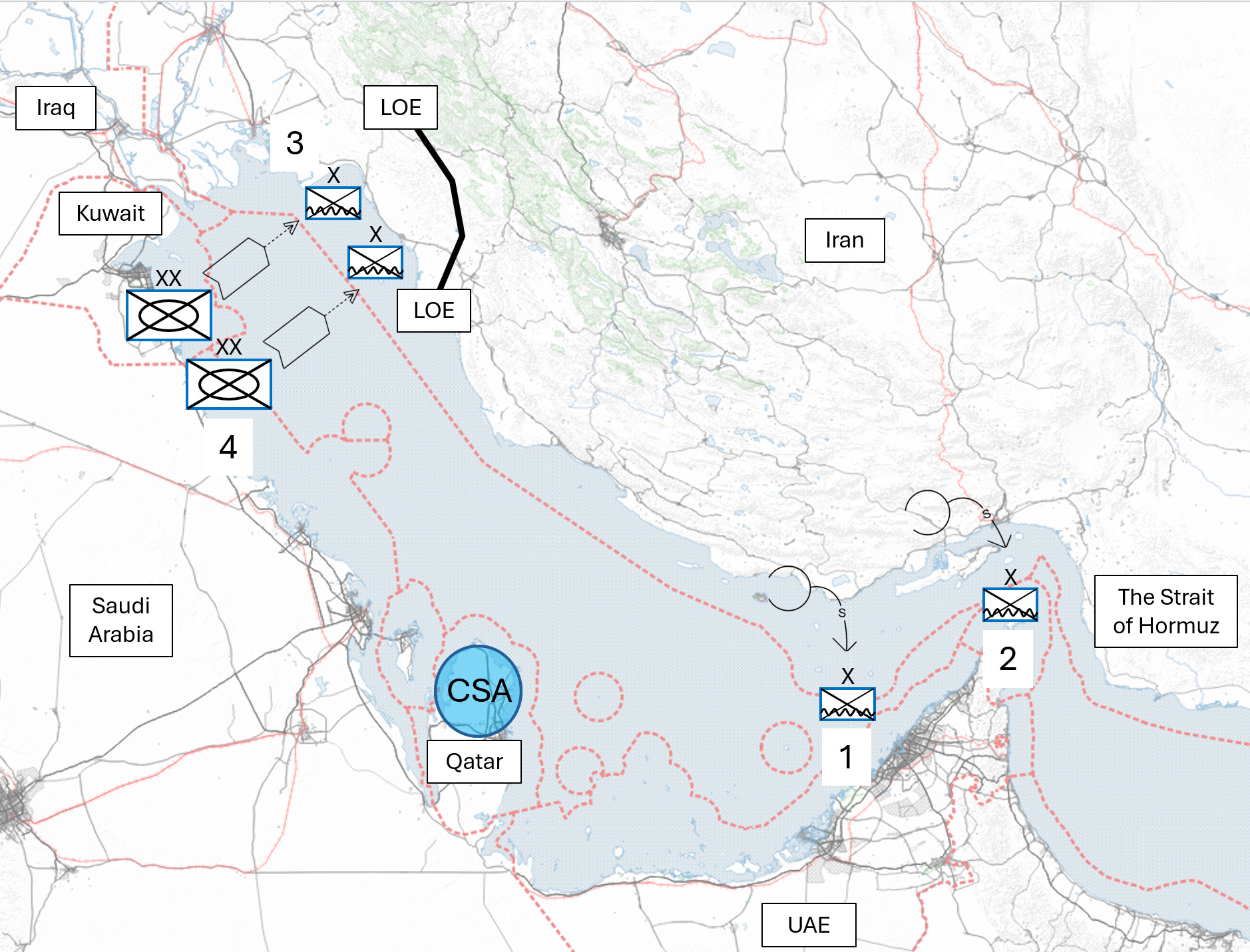
Therefore, amphibious invasion operations would likely be seizing islands to make passage through the Straits of Hormuz (1 & 2 below, as well as a landing to support the right flank of the invasion out of Iraq (3 & 4). In other words, the main source of an American invasion would be the Iraqi border. USN and USMC operations in the Persian Gulf would be necessary to keep the invasion supplied, and there would be amphibious landings in support of the invasion out of Iraq.
Example Overall Campaign Plan
Combining the various example campaign plans results in the following Scheme of Maneuver:
Phase 1: Preparation and Shaping
During this Phase the US military would build up forces and supplies in the region. At some point Iran would trigger the start of hostilities by mining the Strait of Hormuz.
America would then need to re-open the straits and degrade Iranian anti-ship capabilities by strikes on Iran’s anti-shipping and command & control, allowing a USN Task Force transit the Straits of Hormuz to seize the Lane Islands, Larak and Hormuz.
With the straits opened up regular US convoys could re-establish supply lines, allowing the invasion via the Iraqi border to begin.
Phase 2: Break In
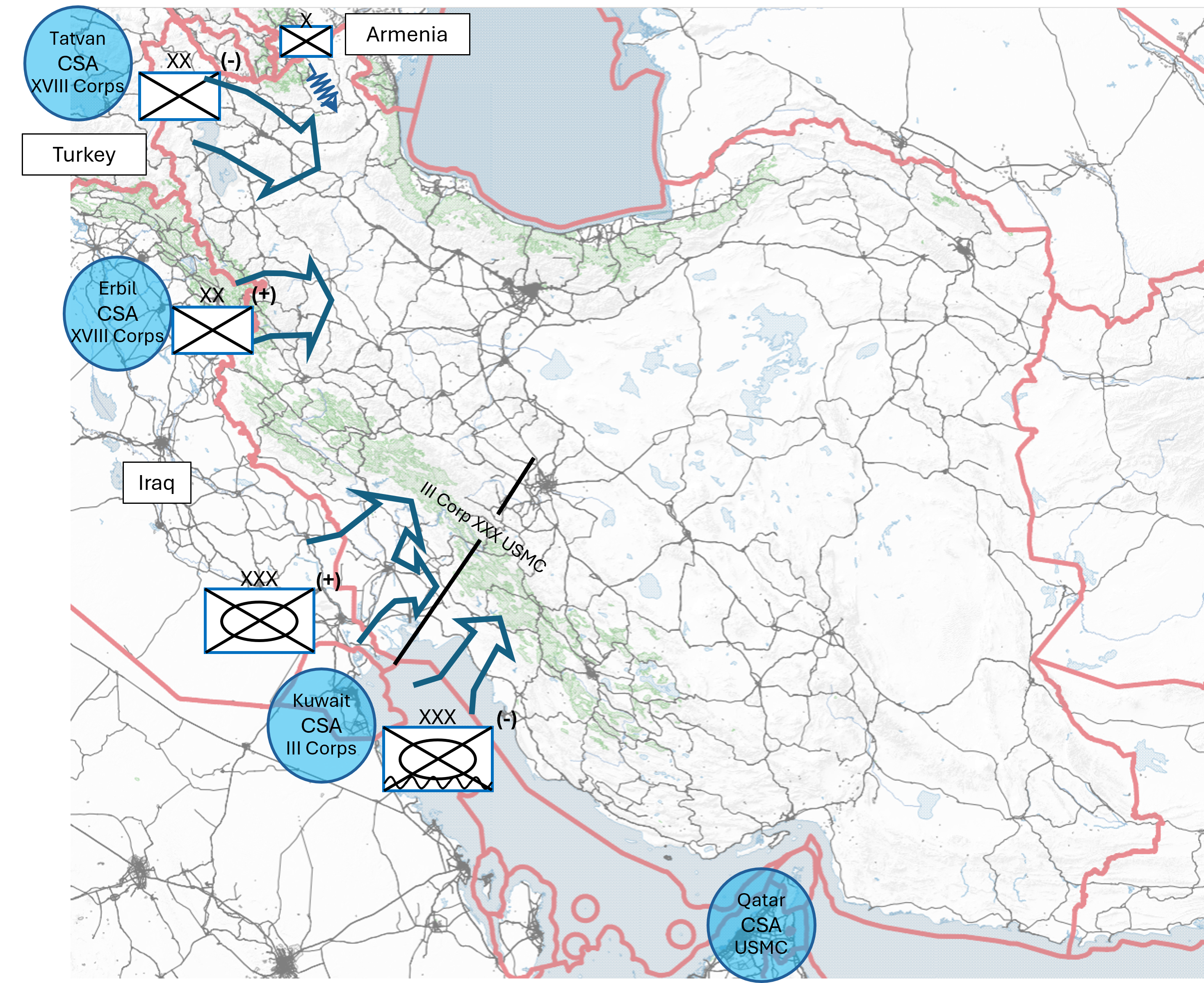
Phase 2 could begin in the later stages of Phase 1. There would be enough supplies built up in Kuwait and Iraq that the US commander would need to see enough progress to feel confident convoys through the straits would resume in a few days.
Phase 2 might involve diversionary attacks out of Turkey and Armenia. There would certainly be a supporting operation in Northern Iraq to seize Saqqez and Sanadej, then advance towards Tehran.
The main advance would be in the South. The terrain is relatively open and it contains most of Iran’s oil fields and oil infrastructure. Given American advantages in firepower and technology this advance would be most like operation Desert Storm. Amphibious landings around Bandar-e Deylam and Bandar Ganaveh around D+3 would secure the right flank of the advance. The advance would come to a halt once American forces reached the mountains. At that point the CSA would need relocating to somewhere inside Iran, American units would need a tactical pause of at least 24 hours and the war would transition to the taking of the National Redoubt.
Phase 3: Exploitation
After Iran falls back to the mountains Iran’s National Redoubt strategy would begin. Iran would be deprived of most of her oil facilities, but would hold a large quantity of excellent defensive terrain.
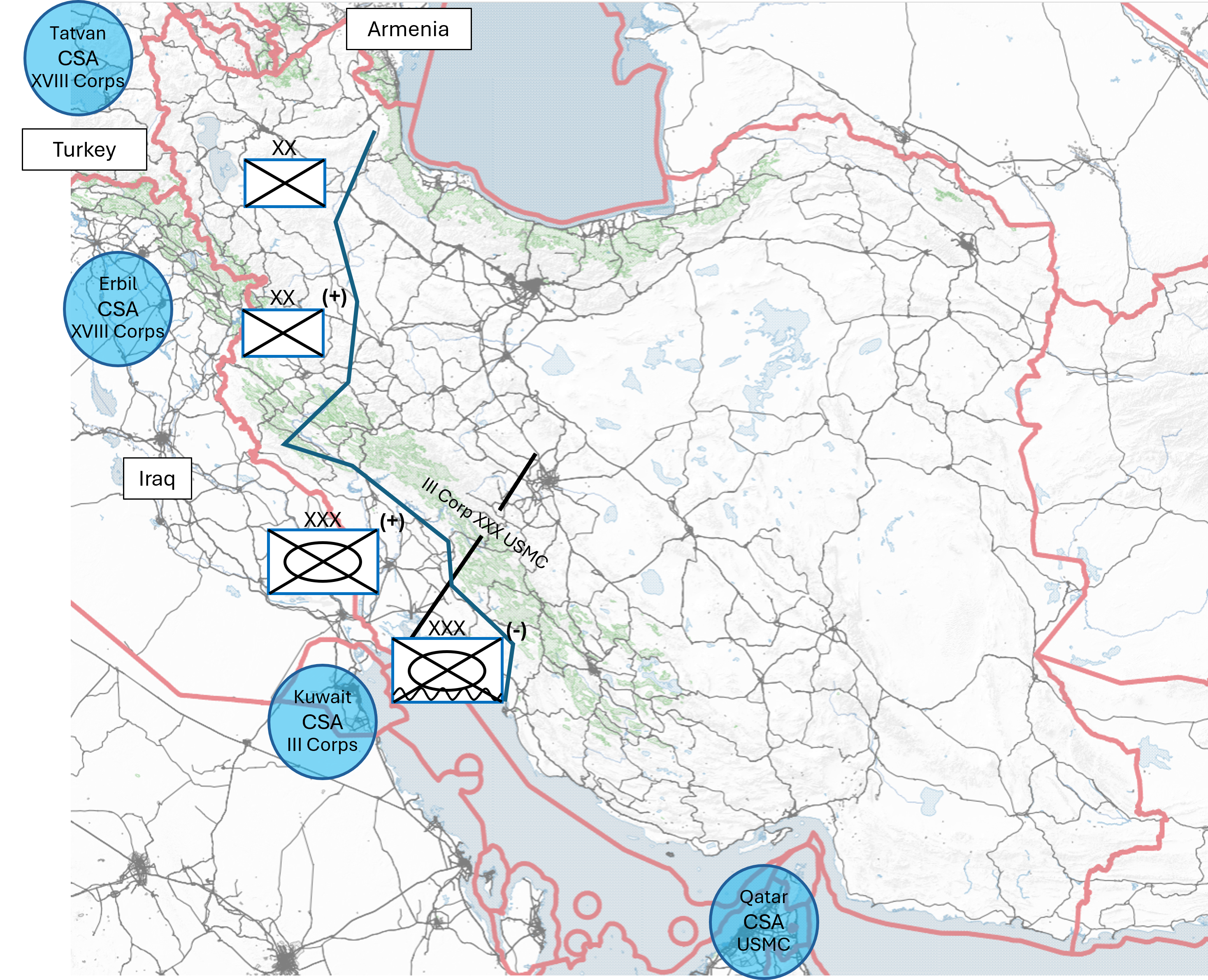
Iran would attempt to hold onto this terrain while causing as much pain for the Americans as possible with cyber attacks, precision missile strikes, kamikaze drones and insurgent attacks in the US held parts of Iran. The disruption to American life would not be on the same scale as in Iran, but it would be the greatest demand on the American public since at least the Vietnam war. To maintain the required force of 22-27 combat brigades in the field, the United States would have mobilized the majority of the National Guard. This wasn’t even done in the wake of 9/11. Iran’s cyberwarfare capabilities also should not be underestimated, and the effect they could have on everyday life in America.
Provided Iran’s light forces can hold onto the mountain passes it would come down to a contest of national wills. Iran's economy would be operating on a subsistence level, suffering high military casualties and the cities would be intensely bombed.
This strategy (economic warfare, bombing and casualties while not occupying the enemy’s key territory) has a very low historical success rate, provided the regime under siege remains in control.2 Iran has seen a lot of popular unrest in the last decade, but the Mullah’s have always re-established control, often with great brutality. If a regime can survive the shock of the first few weeks of invasion it almost always strengthens, rather than delegitimises, the regime.
On the other hand, Iran would suffering under an almost soul-searing amount of aerial firepower.
Assessment of Forces Required
Phase 1 involved two brigade sized marine units (Regimental Combat Teams) for the island seizures. The various strikes on Iran would also involve at least 1 brigade worth of special forces. At least one of the marine brigades and all the special forces would be needed for occupation and follow on tasks.
Phase 2 involves 21 brigades in the manoeuvre force. After adding the 2 brigades with remaining Phase 1 tasks, rear area security and a reserve raises Phase 2 would require a minimum of 28 brigades.
A similar number of brigades would be needed for Phase 3, though the number would increase dramatically if it involves significant urban combat.
Conclusion
Don’t invade Iran unless you really need to.
An American President should be faced with clear evidence that not invading Iran will immanently cause WW3 or the nuking of a large American or allied city.
It might work out. The Ayatollah regime might collapse like a wet paper bag, making the occupation of Iran a larger scale version of the 2003 Iraqi invasion. This is probably the most likely outcome, but it is not certainly the outcome. There is also a substantial possibility it would turn into the bloodiest US conflict since the Vietnam War.
Even if this sunny outcome occurs there will be significant negative impacts on America, such as:
The buildup to the invasion would require mobilization of most of the National Guard, which has significant ripple effects on society and the economy.
Placing most of US deployable combat power in one theatre leaves the US vulnerable in all other potential conflict zones. Will China take this as an opportunity to invade Taiwan?
Even after a quick victory there remains the threat of a protracted insurgency campaign.
This gaming out of a US invasion of Iran was also a good process to understand the capabilities and limitations of US military power.
American firepower, global reach and the speed of that global reach is unprecedented. However, that global reach is expensive. So expensive that America’s nearly $1 Trillion defence budget only allows the overseas deployment of about 20 combat brigades without mobilizing the National Guard or about 30 with a mobilization of the National Guard.3
For an expeditionary force 20-30 combat brigades is impressive. The next most capable expeditionary armies (Great Britain and France) could probably combine to globally deploy 4-6 combat brigades. However, as a raw number 20 to 30 combat brigades is surprisingly few. The combined armies of Sweden, Denmark and Latvia total about 20 combat brigades. Spain and Poland total about 30 combat brigades.
Which should be taken with a grain of salt as western militaries always outperform these rules. According to staff estimate rules the British should have decisively lost the Falklands War.
Even extremely weak regime’s like Chiang Kai-shek’s Nationalist China survived for nearly 9 years while maintaining a National Redoubt strategy. They were eventually defeated not by the Japanese, but by the Communists, who had themselves survived through an 11 year National Redoubt strategy.
For the 2003 Invasion of Iraq the US deployed 15 combat brigades. This was without significant mobilizations of National Guard combat brigades and while maintaining some troops in Afghanistan. Since then the US military has shrunk by about 10%.